

26 Nov Bad Radiator Hoses? Common Symptoms To Look For
 Most people know that a car’s radiator keeps the engine from overheating. But to do that, several key components are required. Today, we are focusing on hoses – not only what they are, but how they work and why they’re important. Radiator hoses play a vital role in supplying coolant to your car’s cooling system, so if they go bad, you need immediate auto repairs to prevent engine damage.
Your Car’s Cooling System
Your car’s cooling system uses many components, including the radiator, water pump, coolant reservoir, and hoses. These parts work together to keep an internal combustion engine cool while it’s running.
What Does It Do?
This blog focuses on radiator hoses. The radiator hoses keep coolant flowing to the various parts of your cooling system, ensuring proper heat dissipation and preventing the engine from overheating.
How Do Radiator Hoses Work?
The radiator hoses move coolant through the cooling system like veins. They also connect different parts together, such as the:
- Engine
- Radiator inlet
- Radiator outlet
- Thermostat
- Water pump
When you start your vehicle’s engine, the water pump engages, pressurizing the cooling system so coolant circulates. Once the engine reaches an optimal operating temperature, the thermostat opens, allowing hot coolant to flow through the upper radiator inlet hose into the radiator for cooling. Then the water pump moves the coolant back into the engine via the lower radiator outlet hose.
Symptoms of Bad Radiator Hoses
Unfortunately, radiator hoses do not last forever. Below are a few symptoms that you may experience if one or more of your radiator hoses fail. If you experience any of these problems, you may have a cooling system issue. You should schedule a diagnostic inspection or auto repair appointment with your local service center.
Heater Issues
Did you know that poor coolant circulation can affect your interior heater? If your radiator or heater hoses are obstructed or damaged, your vehicle may be losing coolant. Your vehicle’s heater may not heat as well as it should due to low coolant levels.
Leaking Coolant
Look for signs of coolant leaks under your car, in your coolant reservoir (or overflow tank), and around the radiator and rubber hoses in the engine compartment. Coolant is usually easy to identify by its bright, translucent colors. It also smells sweet, like candy. Just don’t taste it! The main ingredient in coolant is antifreeze, which is toxic if ingested.
Overheating Engine
Your vehicle’s cooling system can operate with low coolant; however, engine performance will suffer. Additionally, if there is not enough coolant circulating through the radiator to cool the engine, your engine’s temperature gauge will rise, triggering dashboard warning lights to turn on. Driving for any period of time with an overheating engine can lead to engine damage. Besides low coolant, other possible causes of overheating may include a failing or damaged water pump, radiator, or thermostat. Schedule a diagnostic appointment so a qualified technician can properly identify the issue.
Identify Bad Radiator Hoses
If you regularly perform maintenance of your vehicle, you know that hose inspections can help alert you to problems before they become emergencies. If you leave the inspections to your technician, then these are the things they look for:
Feels Spongy
The rubber hoses should be flexible but not too soft or spongy feeling. If the hose seems to give too much or appears to sag out of shape, it requires replacement.
Loose Connection
Hoses connect to the various components with clamps. If these clamps loosen, coolant can leak out around the fitting. If the radiator hose is still in good shape, reconnect (or replace) the clamp to create a tight seal around the hose to prevent leaks.
Seems Brittle or Rigid
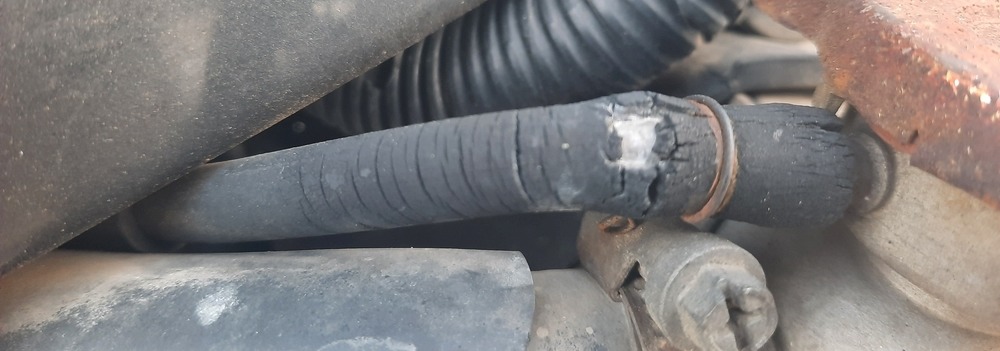
If the radiator hose appears dry or brittle and shows signs of rot or cracks when lightly squeezed or moved, it needs replacement.
Visible Cracks, Tears, Or Wear
Radiator hoses should be supple and smooth on the outside. If you can see visible cracks, tears, or wear marks, then it is time to replace the damaged hose.
Radiator Hoses Service and Auto Repair
Your vehicle’s radiator keeps your engine cool, so keeping your radiator hoses in good condition is important for maintaining your engine’s longevity. Due to the high temperatures within your radiator and surrounding components, your radiator hoses can become weakened over time. Let JJ’s Auto Care in Jacksonville, Florida, help keep your car’s engine in tip-top shape with routine maintenance and necessary auto repairs.
Schedule Appointment
Contact us today at (904) 721-6646 or visit us online to request a cooling system repair or low coolant diagnostic appointment. You can count on our experienced technicians to thoroughly inspect and diagnose your vehicle’s issue – whether it involves bad radiator hoses, a loose connection, or a faulty water pump.