

23 Oct How Often Should I Change My Car’s Oil Filter?
 New car owners probably know that changing their engine oil regularly is an integral part of vehicle maintenance. But you may be wondering about the oil filter. How often should you change it? Well, that depends on a few things. Important factors such as vehicle make and age, the type of engine oil in your car, and the kind of oil filter can make a difference. Let’s review how often to schedule routine maintenance, and how the engine oil and oil filter affect your recommended oil change service interval.
What Does The Oil Filter Do?
The oil filter strains out particulate matter and impurities that can cause wear to the engine’s components. This debris remains inside the filter. If the filter becomes clogged with debris, the engine may not get enough oil flow.
How Does The Filter Work?
Engine oil keeps the engine cool, well-lubricated, and moving efficiently. An oil filter keeps the oil as clean as possible. Depending on the type of oil filter, the media inside is pleated to strain out and capture impurities in the engine oil. It works similarly to an air filter.
How Often Should I Replace My Oil Filter?
Generally, manufacturers recommend changing the oil filter at the same time as the oil change service. A new oil filter helps prevent dirt and other contaminants in the dirty filter from tainting the new oil. If you frequently drive in dusty environments, you may need to change your oil filter more frequently. On the other hand, if you primarily drive on the highway or in clean conditions, you may be able to extend the filter’s lifespan.
Types Of Oil Filters
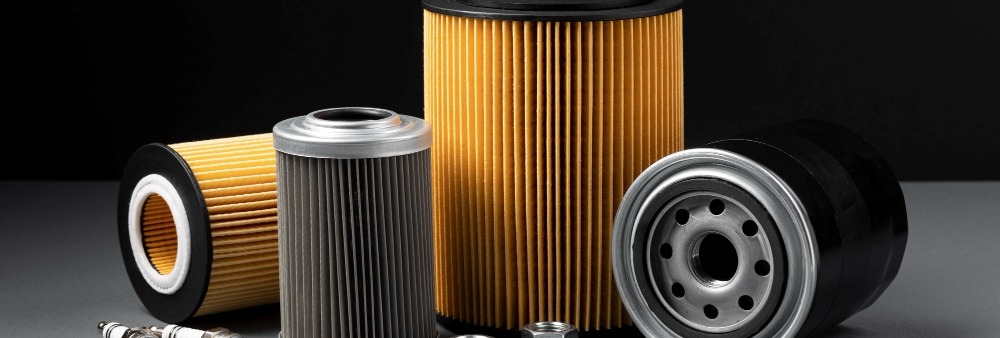
There are just two main types of oil filters: cartridge-style and spin-on filters. Some oil filters have a longer lifespan than others, depending on their design and construction. They also offer varying levels of filtration efficiency and durability.
Spin-On Oil Filter
A spin-on oil filter remains the most common option for cars. They resemble a steel canister with one open end. The oil flows through the filter, trapping debris within the filter media. This self-contained filter features media made of paper or woven synthetic and natural fibers inside, capturing particles that could be harmful to your engine. At the closed end of the canister is a bypass valve that helps regulate pressure.
Cartridge-Style Oil Filter
A cartridge-style filter has a similar design, but the outer housing mounts permanently to the vehicle. The filter is cylindrical with the internal pleated media sealed between the housing cap and the base.
4 Benefits Of A Clean Oil Filter
Changing your oil filter regularly provides several benefits, including:
- Protection for your engine: A clean oil filter protects the engine’s internal components and ensures the engine oil is free of contaminants.
- Improved engine performance: Clean oil helps your engine run cooler, more smoothly, and with better efficiency.
- Prevents breakdowns: A clogged oil filter can reduce oil pressure, leading to an overheating engine, damage, and potentially expensive repairs.
- Saves money: Routine maintenance of your engine oil and oil filter helps reduce expensive and time-consuming engine repairs, plus extends the lifespan of your vehicle.
Recommended Oil Change Service Intervals
How you use your vehicle also factors into the oil filter replacement interval. For example, if you drive in light-duty conditions, like a highway commute in mild weather, you may safely extend your oil filter service. Alternatively, if you frequently tow heavy loads or drive in stop-and-go traffic, your vehicle may require more frequent oil changes. Generally, most cars need an oil change service every 5,000 to 10,000 miles, or once a year for vehicles with low mileage.
- A standard oil filter typically provides excellent filtration for most vehicles, with service intervals recommended every 5,000 miles.
- An extended-life or synthetic-oil filter requires replacement every 10,000 miles.
- Note: Older vehicles using conventional engine oil may need more frequent oil changes and oil filter replacement.
What Is Routine Maintenance?
It’s important to follow your auto manufacturer’s routine maintenance schedule for an oil change service and oil filter replacements. To ensure optimal engine efficiency and longevity, they often advise replacing the oil filter with every oil change. An oil change service is an excellent opportunity to address any other concerns you may have with your car. The service technician often performs a thorough visual inspection of your vehicle, including:
- Inspect all fluid levels
- Refill low fluid fluids
- Check the engine and cabin air filters
- Inspect all tires: the condition and tread depth
- Check and adjust tire air pressures
- Confirm all headlights, brake lights, and cabin lights operate
- Check windshield wiper blades
- Look under the hood and on the ground for leaking fluids
- Test the battery charge
- Verify the drive belts and hoses are in good condition
Schedule Your Oil Change Service
Come see what a positive difference JJ’s Auto Care can make to your routine maintenance and auto repair experience. Our technicians will help you determine the optimal oil change service for your specific engine oil type, oil filter, and driving style. Contact us anytime at (904) 721-6646 or visit our website to schedule your next oil change service.